
Leave Your Message
Smart Photochromic Light-Control Film - Innovative UV Protection from China Suppliers & Factory
Hot Products

Smart Photochromic Light-Control Film - Innovative UV Protection from China Suppliers & Factory

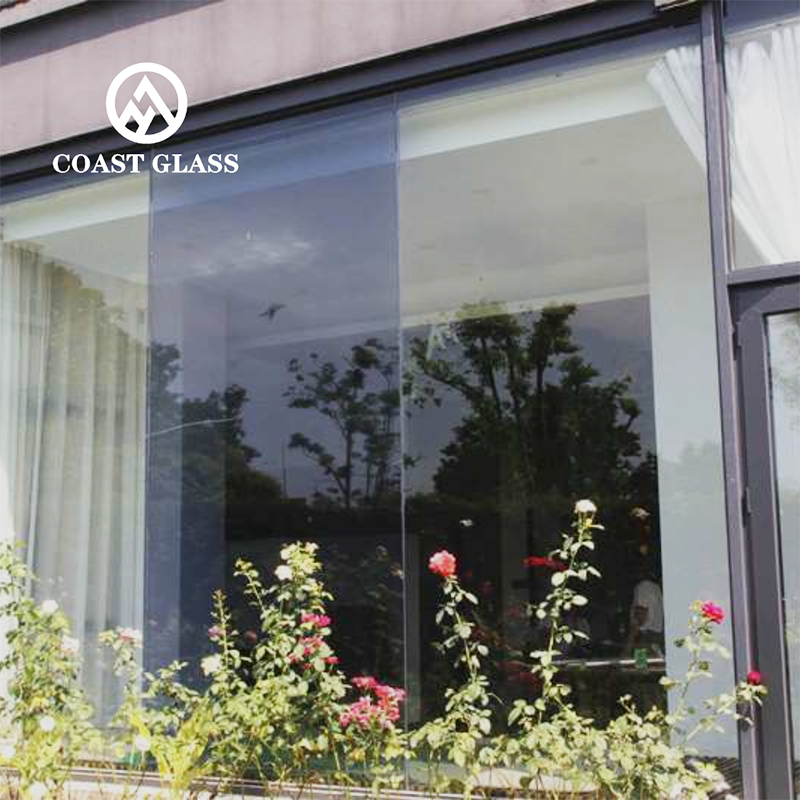
Shenzhen Coast Glass Co., Ltd., a leading China supplier and factory, proudly introduces our cutting-edge Photochromic film, also referred to as transition film. This innovative material is designed to provide exceptional protection against sunlight and harmful UV radiation. Our Photochromic film undergoes a reversible transformation in its optical properties when exposed to sunlight, making it the perfect choice for various applications, including eyeglasses, automotive windows, and architectural glazing. Users can enjoy adaptive protection with unmatched convenience and comfort. As a versatile and effective solution, our Photochromic film is ideal for a wide range of industries, ensuring optimal performance and safety.

    Product Strength

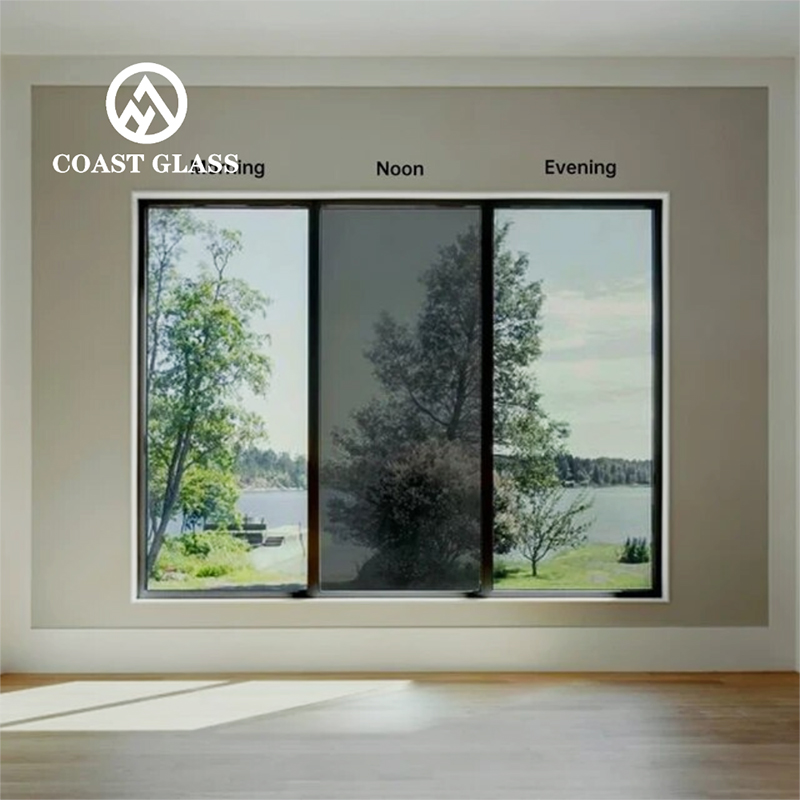
    One of the key advantages of photochromic film is its automatic adjustment to changing light conditions.

    When exposed to sunlight or UV radiation, the film darkens, reducing glare and minimizing the transmission of harmful UV rays. This adaptive feature helps to enhance visual comfort and protect the eyes from potential damage caused by prolonged exposure to sunlight.

    Furthermore, photochromic film offers convenience and versatility.

    Unlike traditional sunglasses or tinted windows, which require manual adjustment or replacement, photochromic film responds automatically to changes in light intensity. This eliminates the need for separate sunglasses or window treatments, allowing users to enjoy uninterrupted visibility and comfort throughout the day.

    Additionally, photochromic film is available in a variety of tint levels and colors, allowing users to customize their experience based on personal preferences and specific application requirements.

    Whether used in eyewear to enhance contrast and reduce glare or in automotive windows to improve visibility and privacy, photochromic film offers flexibility and adaptability to suit diverse needs.

    Moreover, photochromic film is durable and long-lasting, with excellent resistance to scratches, abrasion, and fading.

    This ensures consistent performance and aesthetics over time, making it a reliable choice for both indoor and outdoor applications.

    In conclusion, photochromic film is a versatile and innovative material that provides adaptive protection against sunlight while offering convenience, comfort, and customization options. Its automatic light-sensitive properties, versatility in tint levels and colors, and durability make it an ideal choice for a wide range of applications, enhancing visual comfort and safety for users in various settings.

    Frequently Asked Questions

    How does photochromic film adapt to changing sunlight?
    Photochromic film contains light-sensitive dyes or molecules that undergo a chemical reaction when exposed to ultraviolet (UV) radiation. This reaction causes the film to automatically darken in bright sunlight and revert to a lighter, clear state when UV light levels decrease.
    Does photochromic film block UV radiation even in its clear state?
    Yes, high-grade photochromic films offer continuous UV protection, blocking up to 99% of harmful UVA and UVB rays regardless of whether the film is in its clear or fully darkened state.
    What are the most common applications for photochromic film?
    Photochromic film is widely utilized in automotive glass (windshields, sunroofs, and side windows), architectural glazing (residential and commercial buildings), optical lenses, and helmet visors to provide dynamic glare reduction and thermal comfort.
    How fast does the transition process take?
    The transition from clear to dark typically occurs rapidly within 30 to 60 seconds of UV exposure. Returning to the clear state occurs smoothly over a few minutes once indoors or away from direct sunlight.
    How durable is photochromic film against daily wear and tear?
    The film is manufactured with robust hard-coat layers that provide superior resistance to everyday scratches, surface abrasion, weather exposure, and fading, ensuring sustained performance over many years.
    Can photochromic film help reduce energy costs in buildings?
    Yes, by automatically modulating solar heat gain and controlling visible light transmission, photochromic film minimizes indoor heat buildup, thereby reducing the load on air conditioning systems and lowering energy consumption.